P-CEP’s Henry Ford Health athletic trainers discuss their unique, vital jobs


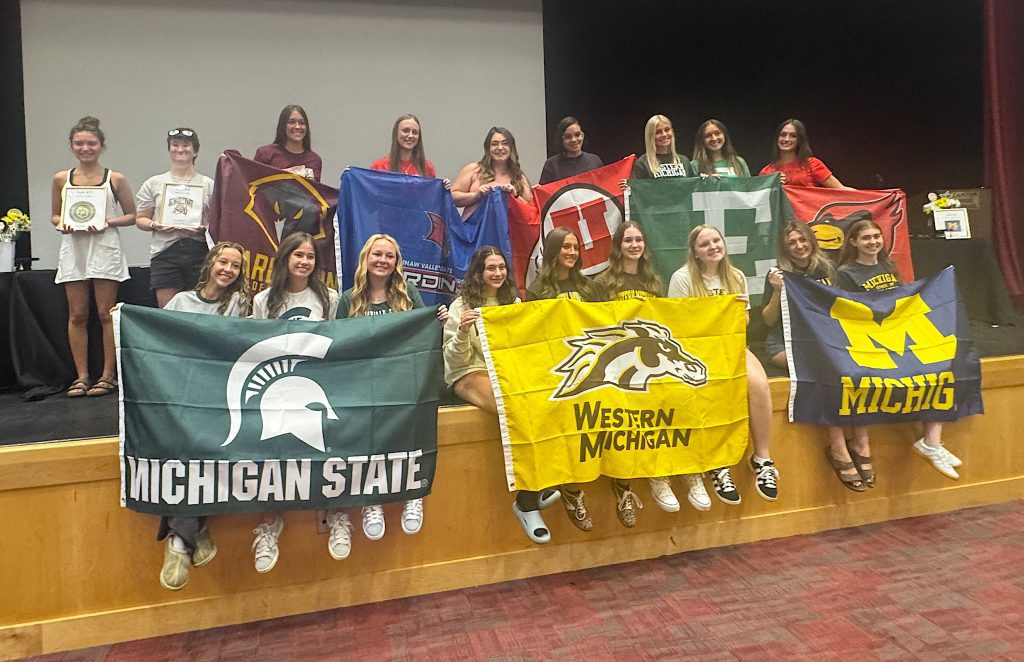
Pictured (from left) are P-CEP Henry Ford Health athletic trainers Allie McDonnell, Ja’Lia Johnson and Ibraheem Mutahr.
There is more to being an athletic trainer at the Plymouth-Canton Educational Park than a casual observer might realize.
“Some people probably think all we do is sit on a Gator during games and tape ankles,” quipped Henry Ford Health Athletic Trainer Allie McDonnell, who works out of Plymouth High School.
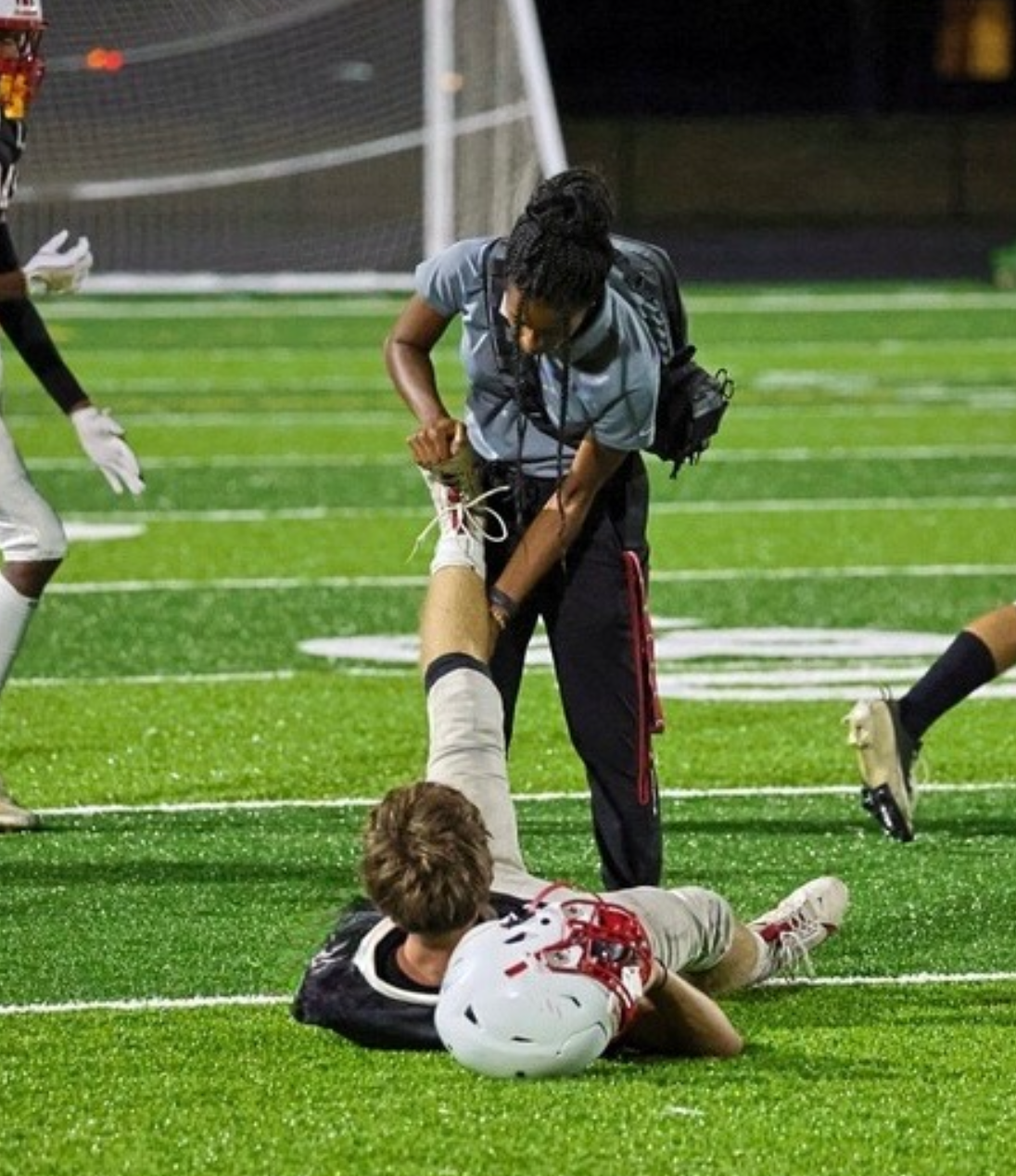
“In reality, there’s a pretty wide scope of things we do. For example, we have a deep knowledge of orthopedic injuries, rehab, concussion treatments and emergency situations, like cardiac arrest and neck injuries — and a lot of our treatment is done right on the sidelines, not far from the crowd.”
Every March, National Athletic Training Month (NATM) is observed to raise awareness of athletic trainers, licensed health-care professionals who prevent, diagnose and treat injuries and medical conditions.
P-CEP athletes can count on Ja’Lia, Allie and Ibraheem
The 2026 tagline, chosen by members on social media, is: “Care You Can Count On” — a pledge that student-athletes at the Park who have been treated for injuries would wholeheartedly confirm.
Henry Ford Health partners with more than 30 high schools and eight universities in metro Detroit and Jackson to provide athletic training services to student athletes.
Henry Ford Health also provides medical care for all four Detroit professional teams and offers a sports performance program at CAM (Center for Athletic Medicine) in Detroit to enhance athletic performance and also help student athletes return to sport after injury.
New day, new adventures
No two days are alike for the trio of P-CEP athletic trainers, who have adapted to the intricacies that come with working on a three-high-school campus.
“I’ll get texts from coaches at 9 a.m. some days, letting me know an athlete needs treatment or an ankle taping before practice or a game,” noted Ja’Lia Johnson, who is based at Canton High School. “I usually come in around 1 or 2 p.m., depending on what’s going on that day. On game days, I’m here until the games end.
“There are days — especially in the spring and fall — when I get back to my office at the end of the day or night and think, ‘How did I get through this day?!’ (She smiled). But it’ a very rewarding profession, being able to help high school athletes return to what they love doing.”
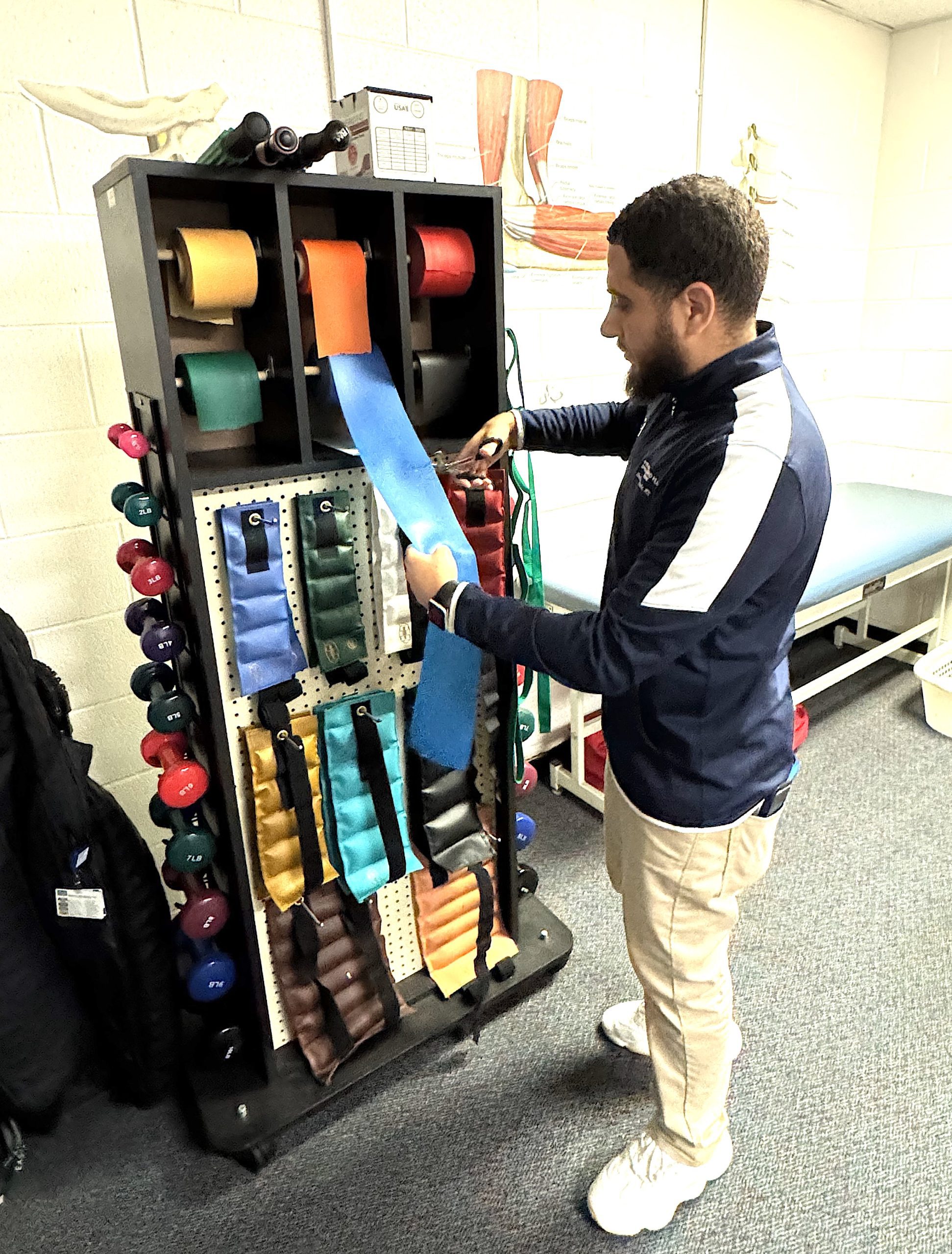
Teamwork among the three athletic trainers is essential, they all noted during a recent interview with SocialHouseNews.com.
“Open communication is important in this job,” said Henry Ford Health Athletic Trainer Ibraheem Mutahr, who is assigned to Salem High School. “I know if I’m responsible — let’s say in the spring — for two games at the same time, I know Allie and Ja’Lia will step up and help me if needed at one of the two games.”
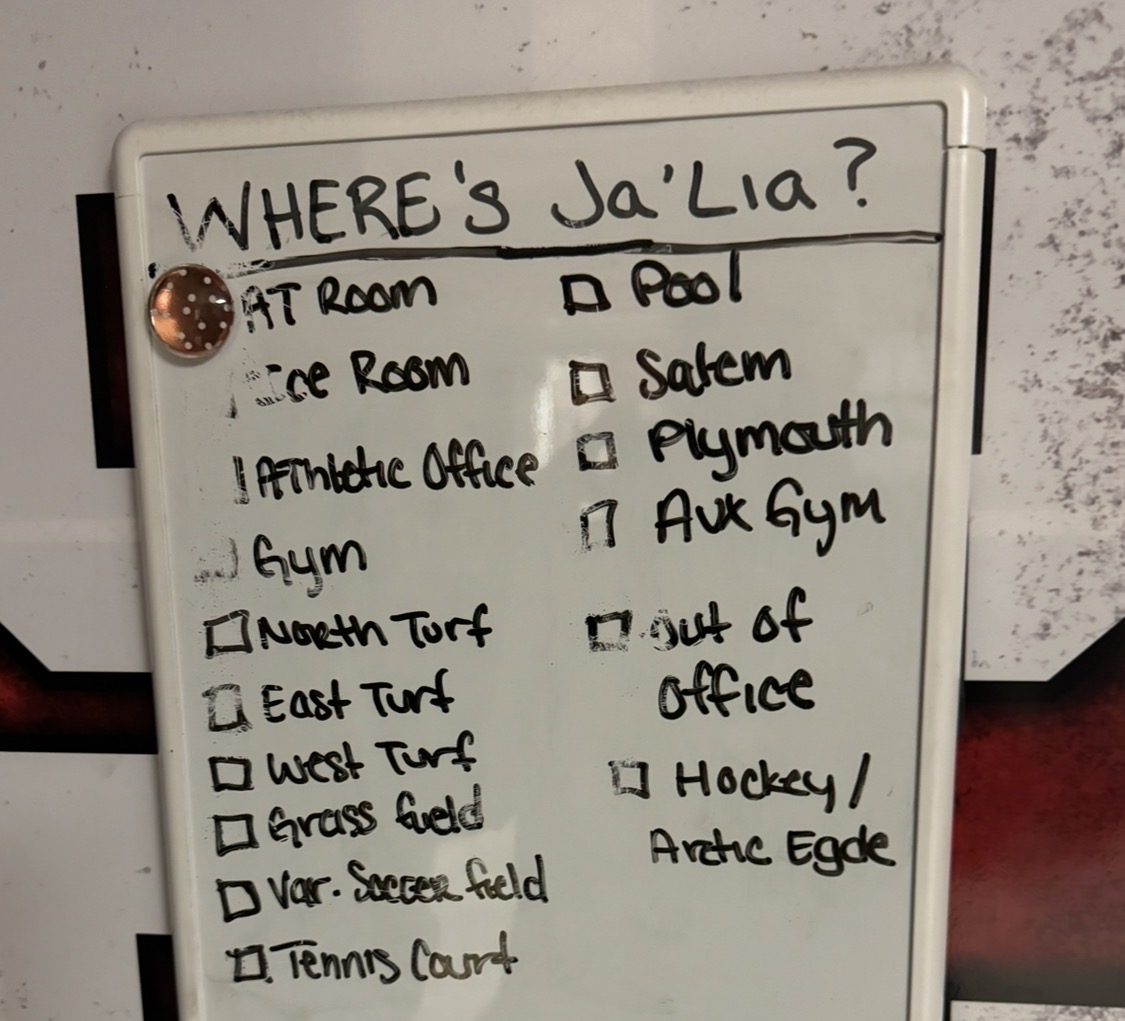
“We each have a designated school, but in the fall and spring we know we can rely on the two other athletic trainers to help us,” McDonnell said. “We rely on each other a lot.”
It’s necessary, all three athletic trainers added, that they keep their cool while treating a significant in-game injury.
“It’s important we stay calm under pressure because if the injured athlete sees us freaking out, they’re going to start freaking out,” Johnson said.
All three P-CEP Henry Ford Health athletic trainers have extensive education and training in their field. Johnson earned her bachelor’s degree in athletic training at Central Michigan University and her master’s degree at Western Michigan University. McDonnell earned her bachelor’s degree at Michigan State University, while Mutahr earned a bachelor’s degree from Eastern Michigan University.
Johnson, who attended high school at Advanced Technology Academy in Dearborn, said she was inspired to become an athletic trainer by one of her high school coaches.
“We didn’t have an athletic trainer at my high school, so if you got hurt, you had to get yourself to the doctor,” she said. “My inspiration is my coach who helped me research the field of athletic training and ultimately helped me decide on that as a career.”
They all acknowledged that their interest in athletic training was spawned in their final two years of high school.
“I suffered a significant injury my senior year, so I worked with my athletic trainer (at Livonia Stevenson) a lot and I learned what athletic trainers do,” McDonnell said. “I knew I wanted to pursue a career in athletics and getting a degree in healthcare was a good avenue.”
The Henry Ford Health trainers shared advice to high school students who may have an interest in a career in athletic training.
“If you think you may want to get into this field, I would recommend observing your high school athletic trainer as much as possible and ask a lot of questions,” said Mutahr. “See if you like it first.”
“If you’re uncomfortable talking to individuals and groups of people, you need to get used to it because communication is very important in this field,” Johnson added.
Two more things: learn how to drive a Gator and tape ankles — although as Johnson, McDonnell and Mutahr explained, there’s a lot more to it than that.
When you see one of the Park’s Henry Ford Health athletic trainers in the hallways or in the athletic training facilities the next couple of weeks, wish them Happy National Athletic Trainers Month!
Ed Wright can be reached at 734-664-4657 or edwright@socialhousenews.com.